
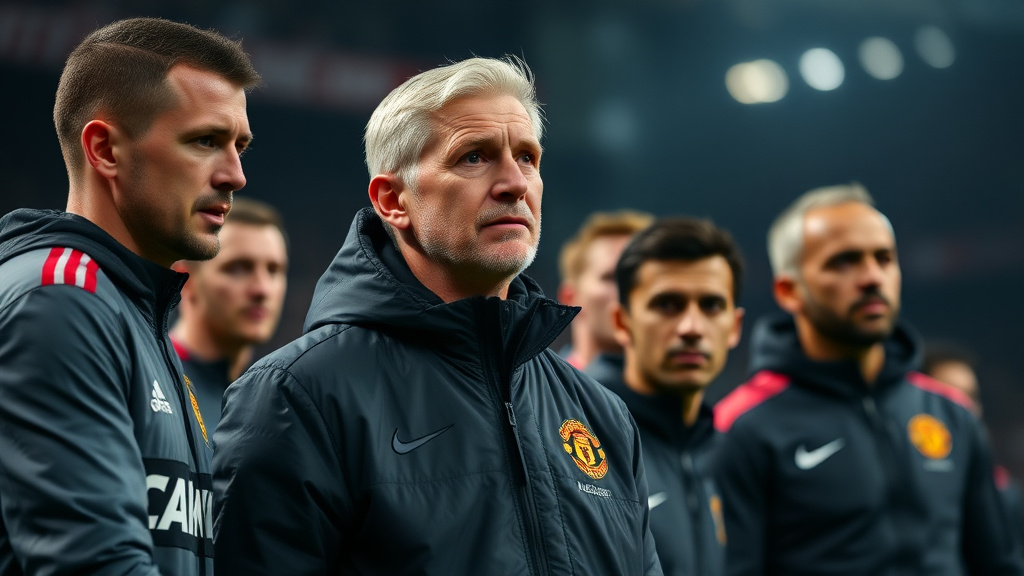
Manchester United faces a pivotal moment as the club embarks on a transformative period marked by major coaching changes and critical player restructuring. With fresh leadership now guiding operations, the Red Devils must make important determinations regarding new signings, exits, and strategic approach. This article analyzes the organizational reshaping in progress at Old Trafford, exploring how new management aims to reshape the squad, address performance inconsistencies, and return the club to its former glory in an increasingly competitive Premier League landscape.
Comprehensive Team Restructuring and Transfer Approach
Manchester United’s fresh management regime has initiated a comprehensive assessment of the current squad, pinpointing critical positions requiring reinforcement and possible exits. The club recognizes that sustained success demands a measured strategy combining seasoned players with rising prospects. Transfer strategy now focuses on acquiring talent that matches with the coaching staff’s strategic vision while preserving fiscal responsibility. Priority targets include strengthened defense, creative midfielders, and flexible forward players able to perform at the top tier across multiple competitions throughout the season.
The overhaul strategy goes further than mere roster additions, covering strategic departures of underperforming and excess assets. Club leadership are assessing agreements, determining market worth, and exploring loan possibilities for fringe players looking for regular minutes outside the club. This systematic strategy seeks to streamline squad composition, reduce wage bill pressures, and establish routes for youth academy products. By combining youth progression with targeted signings, Manchester United works to develop enduring competitive strength while upholding fiscal discipline and long-term organizational stability.
Budget Structure and Budget Allocation
Transfer budget planning remain essential as Manchester United operates within the intricate terrain of contemporary sports economics. The club must coordinate expansive signing targets with responsible budget control, ensuring expenditures deliver quantifiable on-field improvements. Strategic partnerships with brand partners and enhanced revenue streams create supplementary financial resources. Management prioritizes efficient spending strategies, targeting undervalued players with considerable growth prospects. This disciplined approach protects the club’s economic foundation while facilitating team building efforts required to contending with competitors at home and in European-level play.
Investment choices progressively rely on analytical insights, leveraging sophisticated data tools and talent identification systems to identify optimal targets. The club’s talent acquisition team uses advanced evaluation systems assessing player performance, past injuries, age profile, and cultural fit within the organization. Financial distribution focuses on areas requiring immediate attention while preserving squad depth throughout the organization. This comprehensive framework guarantees Manchester United optimizes financial resources, minimizes transfer risk, and constructs a competitive squad capable of maintaining performance across several years while upholding long-term financial health.
Leadership Strategy and Tactical Direction
The new managerial leadership brings a renewed perspective to Manchester United’s operational strategy, emphasizing flexible tactics and current football methodologies. This managerial change constitutes an opportunity to establish a cohesive playing philosophy that focuses on high-intensity pressing, ball control, and fluid attacking movements. The manager’s approach significantly transforms squad composition priorities, directing investment toward personnel suited to defined tactical roles rather than depending solely on individual star power alone.
Defensive Reinforcements and Backline Stability
Manchester United’s defensive frailties have grown more evident, requiring urgent strengthening at central and wide defensive positions. The new management acknowledges that a robust defensive structure is crucial for long-term success, driving strategic recruitment of defenders combining physical presence and technical capability. Priority signings will address age profile concerns while introducing players capable of executing the manager’s pressing and possession-based defensive strategies efficiently.
Backline stability extends beyond bringing in new players; it demands improving established defensive assets through strategic instruction and positional refinement. The management team will implement structured defensive drills, stressing communication, spatial awareness, and dead-ball organization. This detailed framework to defensive improvement aims to transform vulnerable areas into competitive strengths, lowering goals against and establishing belief throughout the squad.
Attacking Prowess and Midfield Dynamics
Offensive firepower is fundamental to Manchester United’s competitive ambitions, with the incoming boss emphasizing offensive playmakers and creative playmakers equipped to creating frequent goal-scoring opportunities. The playing approach stresses rapid switches of play, wide-area opportunities, and coordinated attacking movements that leverage the squad’s offensive capabilities. Planned purchases will focus on talent featuring ball-playing ability and tactical understanding align with the manager’s attacking philosophy.
Central play patterns form the crucial engine driving Manchester United’s offensive movements and defensive solidity simultaneously. The manager requires flexible midfield players capable of executing both defensive duties and creative contributions within a fluid tactical framework. Improved midfield unity through better communication, positional discipline, and tactical understanding will enable more fluid attacking moves while maintaining defensive shape during periods when opponents have the ball.
Financial Implications and Long-term Club Stability
Budget Allocation and Movement Plan
Manchester United’s restructuring initiative requires considerable monetary resources, necessitating careful budget allocation across player acquisitions and facility improvements. The club must align short-term performance requirements with ongoing viability, guaranteeing spending matches income streams and commercial agreements. The leadership team must focus on calculated player purchases that resolve positional weaknesses while upholding budgetary prudence. This measured strategy safeguards the club’s fiscal wellbeing while providing adequate resources for roster overhaul and performance improvement in the competitive top-flight landscape.
Revenue Production and Business Effects
The club’s business results directly influences restructuring capabilities, with sponsorship agreements and merchandise sales funding transfer activities. Improved player recruitment can boost on-pitch performance, strengthening supporter involvement and business relationships. Conversely, persistent poor results risks reducing income sources and investor confidence. Manchester United’s worldwide reputation remains important, yet sustained sporting success is essential for optimizing commercial opportunities. Management must demonstrate long-term planning to stakeholders, assuring them that current investments will generate strong results and financial stability.
Long-range Environmental Planning
Effective squad restructuring transcends immediate transfers, necessitating extensive strategic planning that addresses academy development, player contract optimization, and wage structure rationalization. Manchester United must implement enduring structures preventing future fiscal disparities while upholding competitive ambitions. Investment in youth development reduces future transfer costs while fostering cultural continuity. Careful agreement discussions and player depth optimization guarantee financial prudence without sacrificing competitive standards, placing the club for ongoing performance and fiscal health throughout the decade.
